The Anti-Inflammatory Plate: How Pecans Porcini, and Spot Prawns Ease Joint Pain in Women

Introduction: Nourishing Joints from the Inside Out
Joint pain and stiffness affect millions of women, often increasing with age, hormonal changes, autoimmune conditions, or years of physical stress on the body. Whether it appears as morning stiffness in the fingers, aching knees after activity, or the persistent discomfort of osteoarthritis or rheumatoid arthritis, a common underlying factor unites these experiences: chronic, low-grade inflammation. While medications can help manage symptoms, growing evidence shows that what we place on our plates each day can play a powerful role in calming inflammation, protecting cartilage, and supporting long-term joint mobility.
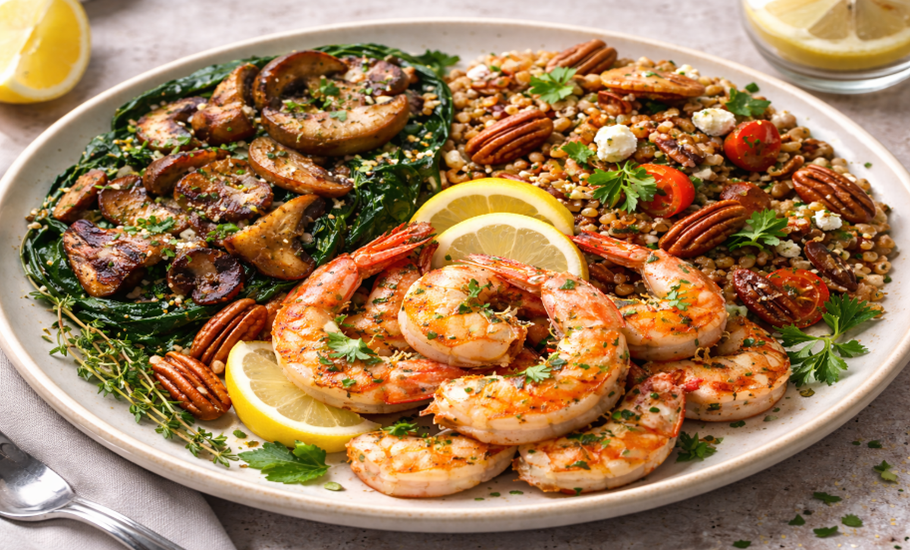
This is where the concept of the Anti-Inflammatory Plate comes in, using whole, nutrient-dense foods that work synergistically to reduce inflammatory pathways, neutralize oxidative stress, and nourish the connective tissues that keep joints flexible and strong. Three exceptional foods exemplify this approach: Pecans, wild Porcini mushrooms, and wild Alaskan Spot Prawns, Though very different in flavor and culinary character, together they form a remarkably complementary trio for joint health.
Spot prawns provide omega-3 fatty acids and the powerful antioxidant astaxanthin, both shown to suppress inflammatory cytokines and support the lubrication and integrity of joint tissues. Porcini mushrooms contribute unique compounds such as ergothioneine, polyphenols, beta-glucans, and natural, sunlight-enhanced vitamin D, which help modulate immune activity, protect cartilage cells from oxidative damage, and support bone-joint communication. Pecans add heart-healthy monounsaturated fats, vitamin E, magnesium, manganese, and a rich array of polyphenols that further dampen inflammation while supporting collagen formation and connective-tissue resilience.
Beyond their biochemical benefits, these foods offer exceptional culinary pleasure: the sweet, delicate richness of spot prawns, the deep umami of porcini, and the buttery crunch of pecans create satisfying meals that feel indulgent while quietly working to ease joint discomfort. Together, they illustrate how delicious, thoughtfully chosen foods can become daily allies in reducing inflammation, supporting mobility, and helping women stay active, comfortable, and vibrant at every stage of life.
In the sections that follow, we will explore the science behind joint inflammation in women, take a deeper look at the unique nutritional and anti-inflammatory properties of each of these foods, and examine how they work together to support cartilage, connective tissue, and immune balance. We will also highlight practical, enjoyable ways to bring this “Anti-Inflammatory Plate” to life in your own kitchen.
Understanding Joint Pain in Women: Why Inflammation Matters
Joint pain does not affect everyone in the same way, and for women, several biological and lifestyle factors uniquely increase vulnerability to inflammation and connective-tissue breakdown. One of the most influential is hormonal change. During perimenopause and menopause, declining estrogen levels remove an important natural anti-inflammatory influence in the body. Estrogen also helps maintain collagen and joint lubrication, so as levels fall, many women notice increased morning stiffness, aching after routine activity, and a greater risk of tendon or ligament injury. This is why joint discomfort often first appears in the 40s and 50s, just as hormonal shifts accelerate.
At the core of most joint pain lies chronic, low-grade inflammation. While short-term inflammation is a normal healing response, in many women, it becomes a constant background “fire” that gradually erodes cartilage, irritates synovial tissue, and impairs repair mechanisms. This inflammatory burden can be amplified by sustained stress and elevated cortisol, excess body weight, past injuries that never fully healed, and even lingering infections such as Lyme disease. Diet is a powerful contributor as well: refined carbohydrates, added sugars, and ultra-processed foods promote insulin spikes and oxidative stress that keep inflammatory pathways activated.
Importantly, joint pain is not an inevitable consequence of aging. Rather, it is often a signal that systemic inflammation is affecting the joint. Addressing that inflammation, through stress management, movement, sleep, and especially anti-inflammatory nutrition, can quiet immune over-activity, protect cartilage, and support tissue repair. This creates the biological foundation on which targeted, nutrient-dense foods can exert their joint-soothing, mobility-preserving effects.
The Anti-Inflammatory Plate Trio:
Pecans: Nutritional Profile that Calms Inflammation and Protects Cartilage
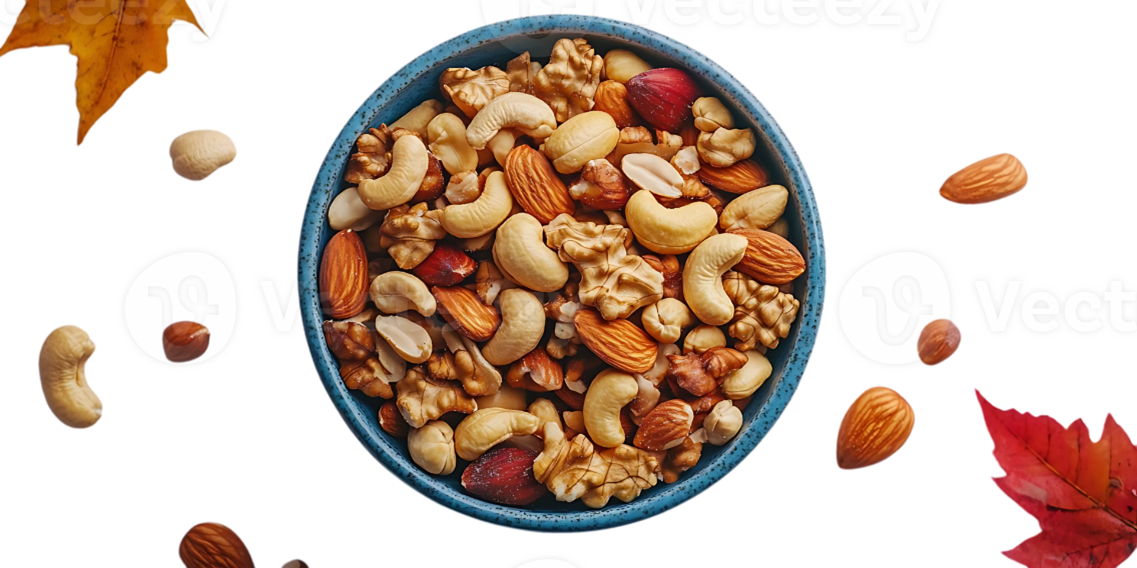
Pecans are among the most beloved and versatile tree nuts in the world, prized for their naturally sweet flavor, buttery richness, and slightly chewy texture that works beautifully in both savory and sweet dishes. Beyond their culinary appeal, pecans are true nutritional powerhouses, particularly valuable for women seeking natural strategies to reduce inflammation and support joint comfort.
From an antioxidant standpoint, pecans are exceptional. The USDA ranks them among the top 15 foods with the highest antioxidant content, and they possess the greatest antioxidant capacity of any tree nut. These protective compounds, including flavonoids, phenols, vitamin E, and ellagic acid, neutralize free radicals that drive oxidative stress, one of the primary triggers of cartilage breakdown and chronic joint inflammation. A landmark study from Loma Linda University showed that pecan consumption significantly increased blood antioxidant levels within 24 hours, underscoring how quickly these nuts can begin supporting the body’s anti-inflammatory defenses.
Pecans also deliver a broad spectrum of vitamins and minerals that play direct roles in joint integrity and connective-tissue resilience. They provide manganese, copper, magnesium, calcium, zinc, phosphorus, potassium, selenium, B-vitamins, and folate. Manganese is essential for collagen formation and cartilage structure, while copper supports connective-tissue cross-linking and immune balance. Magnesium and calcium contribute to bone density and muscle-joint coordination, and zinc aids tissue repair and wound healing. Vitamin E further protects joint cells from oxidative damage and helps temper inflammatory signaling.
Their fat profile is equally important. Pecans are rich in heart-healthy monounsaturated fats, particularly oleic acid, which helps reduce LDL oxidation and systemic inflammation while supporting cardiovascular health, a critical consideration for women, as heart and joint health are closely linked through inflammatory pathways. Pecans also contain small but meaningful amounts of omega-3 fatty acids, which contribute to reduced production of pro-inflammatory prostaglandins involved in arthritis pain.
For physically active women, pecans may also support recovery. Their polyphenols, magnesium, and zinc help lower markers such as C-reactive protein, reduce exercise-induced oxidative stress, and aid muscle and connective-tissue repair. Together, these properties make pecans a foundational anti-inflammatory food that nourishes joints, protects cartilage, and supports whole-body resilience, an ideal first component of the Anti-Inflammatory Plate.
Wild Porcini Mushrooms: Nature’s Anti-Inflammatory and Immune Modulators
Wild porcini mushrooms are revered around the world for their deep, earthy aroma and rich umami flavor, but their value extends far beyond the culinary realm. For women seeking natural ways to reduce joint inflammation and protect long-term mobility, wild porcini offer a remarkable concentration of bioactive compounds that support immune balance, antioxidant defense, and connective-tissue health.
One of the most distinctive features of porcini is their abundance of powerful antioxidants, particularly ergothioneine, glutathione, and selenium. Ergothioneine, a sulfur-containing amino acid derivative, has attracted growing scientific attention for its unique role in human physiology. Unlike most antioxidants, it has a dedicated transporter in the body and selectively accumulates in tissues vulnerable to oxidative stress, including red blood cells, the liver, and immune cells. This targeted distribution suggests an important role in cellular protection, longevity, and the moderation of inflammatory processes that underlie joint degeneration. Alongside ergothioneine, porcini provide polyphenols, beta-carotene, ascorbic acid, and lycopene, all of which help neutralize free radicals that can damage cartilage and accelerate inflammatory wear within joints.
Porcini are also rich in polysaccharides, including beta-glucans, which act as immune modulators. Rather than simply stimulating immunity, these compounds help regulate immune activity, reducing the likelihood of excessive inflammatory responses seen in autoimmune conditions such as rheumatoid arthritis and lupus, both far more common in women. By calming overactive immune signaling, porcini may help ease joint stiffness and swelling while supporting the body’s natural repair mechanisms.
Mineral content further enhances their joint-protective profile. Potassium supports muscle function and fluid balance around joints, while calcium and magnesium contribute to bone strength and neuromuscular coordination. Iron aids oxygen delivery to working tissues, copper supports collagen cross-linking and connective-tissue integrity, and zinc and selenium are essential for cellular repair and antioxidant enzyme systems.
Another exceptional feature of porcini is their ability to provide vitamin D when sun-exposed during growth. This makes them one of the rare non-animal dietary sources of a nutrient critical for calcium absorption, bone density, and immune regulation, factors closely tied to joint stability and inflammation control in midlife and beyond.
Low in calories yet rich in protein, fiber, B vitamins, and phytonutrients, wild porcini mushrooms deliver a powerful combination of anti-inflammatory, antioxidant, and immune-balancing effects.
Wild Alaskan Spot Prawns: Omega-3 Power for Joint Lubrication and Repair
Wild Alaskan Spot Prawns are prized by chefs and nutritionists alike for their exceptional size, delicate sweetness, and firm, lobster-like texture. Often called the “lobster of Alaska,” these striking reddish-pink prawns are not only a culinary delicacy but also a concentrated source of nutrients that directly support joint health, inflammation control, and connective-tissue repair, key concerns for women experiencing stiffness, arthritis, or age-related joint discomfort.
One of the most important contributions of spot prawns to the Anti-Inflammatory Plate is their abundance of marine omega-3 fatty acids. EPA and DHA are well known for their ability to suppress pro-inflammatory cytokines and reduce the production of inflammatory prostaglandins that drive swelling, pain, and cartilage breakdown in conditions such as osteoarthritis and rheumatoid arthritis. By improving the fluidity of cell membranes and supporting synovial fluid composition, omega-3s help joints move more smoothly and with less friction. Spot prawns also contain omega-6 fatty acids in a naturally balanced ratio, supporting normal immune signaling and tissue repair without promoting excessive inflammation.
Their antioxidant profile further enhances joint protection. Astaxanthin, the carotenoid responsible for the prawns’ vibrant color, is a potent anti-inflammatory and free-radical scavenger shown to reduce oxidative damage in muscles, blood vessels, and connective tissues. Along with selenium and vitamin E, it helps protect cartilage cells from the oxidative stress that accelerates degenerative joint changes and contributes to chronic pain.
Protein quality is another key advantage. A single 3.5-ounce serving provides roughly 26 grams of complete protein, supplying all essential amino acids required for collagen synthesis, tendon repair, and maintenance of the structural matrix that stabilizes joints. This is especially important for women in midlife and beyond, when muscle mass and connective-tissue regeneration naturally decline.
Spot prawns are also rich in minerals critical to joint and bone integrity. Zinc supports collagen formation and wound healing, iodine promotes healthy thyroid function and metabolic balance, phosphorus strengthens bones, and selenium enhances antioxidant enzyme systems. Vitamin B12 contributes to nerve health and energy metabolism, helping reduce the fatigue and neuromuscular discomfort that often accompany inflammatory joint conditions.
Together, these nutrients make Wild Alaskan Spot Prawns a powerful marine ally for calming inflammation, nourishing cartilage, and supporting resilient, well-lubricated joints.
Synergy on the Plate: Why Pecans, Porcini, and Spot Prawns Work Better Together
While each of these foods offers impressive anti-inflammatory and joint-supportive benefits on its own, their true power emerges when they are enjoyed together as part of an Anti-Inflammatory Plate. Nutritionally and biochemically, they complement one another in ways that amplify their individual effects, creating a more comprehensive strategy for easing joint pain and supporting long-term mobility in women.
At the foundation of this synergy is the balance of healthy fats, high-quality protein, antioxidants, and essential minerals. The omega-3 fatty acids in spot prawns help suppress inflammatory signaling molecules and improve the fluidity of joint cell membranes, while the monounsaturated fats in pecans, particularly oleic acid, further dampen inflammation and enhance cardiovascular circulation, ensuring better delivery of oxygen and nutrients to joint tissues. These fats also improve the absorption of fat-soluble antioxidants such as vitamin E from pecans and astaxanthin from prawns, strengthening the body’s defense against oxidative stress that can erode cartilage.
Porcini mushrooms add a unique layer of immune and cellular protection through ergothioneine, glutathione, polyphenols, and beta-glucans. These compounds help modulate immune activity, reducing the risk of excessive inflammatory responses seen in autoimmune-related joint disorders, while also neutralizing free radicals generated by chronic stress, aging, and physical activity. When combined with the antioxidant minerals in pecans (manganese, copper, zinc) and prawns (selenium, zinc), this creates a robust network of enzymatic and non-enzymatic defenses that protect cartilage, synovial membranes, and surrounding connective tissues.
Protein from spot prawns supplies the amino acids needed for collagen synthesis and tissue repair, while minerals from both porcini and pecans, such as magnesium, calcium, copper, and manganese, support bone density, tendon strength, and the structural matrix that holds joints together. Vitamin D from sun-exposed porcini further enhances calcium absorption and immune balance, reinforcing the bone–joint interface that is so critical for women during and after menopause.
Together, these three foods work in concert to reduce systemic inflammation and preserve mobility. The result is more than a meal; it is a therapeutic combination that nourishes joints from multiple biological angles, offering women a delicious, sustainable way to support comfort, flexibility, and graceful movement throughout life.
Practical Tips for Incorporation into a Joint-Supportive Lifestyle
Creating an Anti-Inflammatory Plate is most effective when it becomes part of a consistent, whole-person lifestyle rather than an occasional meal choice. Aim to include one or more of these joint-supportive foods several times per week.
Gentle cooking methods help preserve their anti-inflammatory nutrients. Light sautéing, steaming, or roasting at moderate temperatures protects delicate omega-3 fats in prawns and antioxidant compounds in mushrooms and nuts. Pair these foods with colorful vegetables, olive oil, herbs, and whole grains to further enhance their anti-inflammatory impact.
Equally important are supportive lifestyle habits. Staying well hydrated helps maintain joint lubrication, while regular low-impact movement, such as walking, swimming, yoga, or strength training, stimulates circulation and nutrient delivery to cartilage. Adequate sleep and stress-reduction practices, including meditation or deep breathing, help regulate cortisol and quiet inflammatory signaling.
When nourishing foods, restorative movement, and mindful living work together, the body is far better equipped to calm chronic inflammation, protect joint tissues, and maintain flexibility and comfort over time.
Conclusion & Takeaway: Food as Daily Joint Medicine for Women
Joint pain is often one of the earliest and most frustrating signs that inflammation is quietly taking hold in the body. For many women, it emerges during times of hormonal transition, heightened stress, autoimmune activity, or years of physical wear and tear. While medications and procedures may offer temporary relief, they rarely address the underlying biological environment that allows inflammation to persist. What this article makes clear is that food, chosen wisely and enjoyed consistently, can become a powerful, everyday form of joint support and long-term protection.
The Anti-Inflammatory Plate built around pecans, wild porcini mushrooms, and wild Alaskan spot prawns illustrates how nature provides an elegant, multi-layered solution. Pecans deliver heart-healthy monounsaturated fats, vitamin E, manganese, and a rich array of polyphenols that quiet oxidative stress, support collagen formation, and help stabilize inflammatory pathways. Porcini mushrooms contribute unique immune-modulating compounds such as ergothioneine and beta-glucans, along with vitamin D and essential minerals that strengthen bone, protect cartilage, and help balance an overactive immune response often seen in autoimmune-related joint conditions. Spot prawns add the marine power of omega-3 fatty acids, astaxanthin, complete protein, and key trace minerals that lubricate joints, suppress inflammatory cytokines, and provide the building blocks for connective-tissue repair.
Together, these foods work synergistically to calm the “fire” of chronic inflammation, defend joint tissues against oxidative damage, and support the ongoing renewal of cartilage, tendons, and synovial fluid. Just as importantly, they do so in a way that is deeply satisfying to the senses. The buttery crunch of pecans, the earthy umami of porcini, and the sweet, delicate richness of spot prawns transform anti-inflammatory nutrition into a pleasurable culinary experience, making it far easier to sustain over time.
For health-conscious women, the message is both empowering and hopeful: joint pain is not an inevitable consequence of aging, and mobility need not be surrendered to inflammation. By embracing an Anti-Inflammatory Plate and the broader lifestyle it represents, whole foods, balanced fats, quality protein, antioxidant protection, gentle movement, and restorative rest, you can actively influence how your joints feel, move, and function each day.
================================================================
Resources Used for NWWF Blog #118: The Anti-Inflammatory Plate:
How Pecans, Porcini and Spot Prawns Ease Joint Pain in Women
https://www.womenshealthnetwork.com/symptoms/joint-pain-and-stiffness/
https://www.avancecare.com/joint-pain-in-women-when-hormones-activity-and-age-collide/
https://www.webmd.com/diet/health-benefits-pecans
https://www.news-medical.net/health/Pecans-and-Health-Evidence-from-Clinical-Studies.aspx
https://www.etprotein.com/porcini-mushrooms-ergothioneine-benefits/
https://www.nonfungiblemushrooms.com/blogs/news/health-benefits-of-porcini-mushrooms
https://draxe.com/nutrition/porcini-mushrooms/
https://www.organicfacts.net/porcini-mushrooms.html
https://pangbenta.com/seafoods/health-benefits-prawns/