Swap, Don’t Stop: Replacing Meat with Mushrooms for Lighter, More Satisfying Meals While Boosting Your Protein and Nutrients Naturally
Introduction: Why Mushrooms Are the Ultimate Smart Swap
In recent years, mushrooms have stepped into the culinary spotlight, evolving from a simple side dish into one of the most exciting and nourishing foods on the modern table. Health-conscious consumers, home cooks, chefs, and environmentally aware eaters are all discovering what mushroom lovers have long known: these remarkable fungi deliver deep, satisfying flavor, impressive nutrition, and extraordinary culinary versatility. And now, rather than thinking of mushrooms as something you add to a meal, more people are beginning to recognize that mushrooms can become the meal, replacing meat in a way that feels natural, delicious, and deeply satisfying.
This shift is not just a trend. It reflects a growing appreciation for foods that nourish the body without excess calories, saturated fat, or heavy processing. Mushrooms fit beautifully into this movement. They are naturally low in calories, contain no cholesterol, and provide meaningful amounts of B-vitamins, potassium, selenium, antioxidants, and beneficial fibers that help support immune and metabolic health.
In addition, mushrooms are the only vegetative source of vitamin D and are recognized for their therapeutic potential, attributed to a range of medicinal properties like anti-tumor, anti-microbial, anti-inflammatory, cardiovascular-protective, anti-obesity, anti-diabetic, anti-fungal, anti-cancer, and various other health-promoting properties.
While they do not match meat gram-for-gram in protein, many varieties provide a modest but valuable protein contribution, often around 2–3 grams per 100 grams, which combined with fibers, help promote fullness and satisfaction after a meal. That is one reason mushrooms work so well for people reducing meat intake without wanting to sacrifice heartiness or flavor.
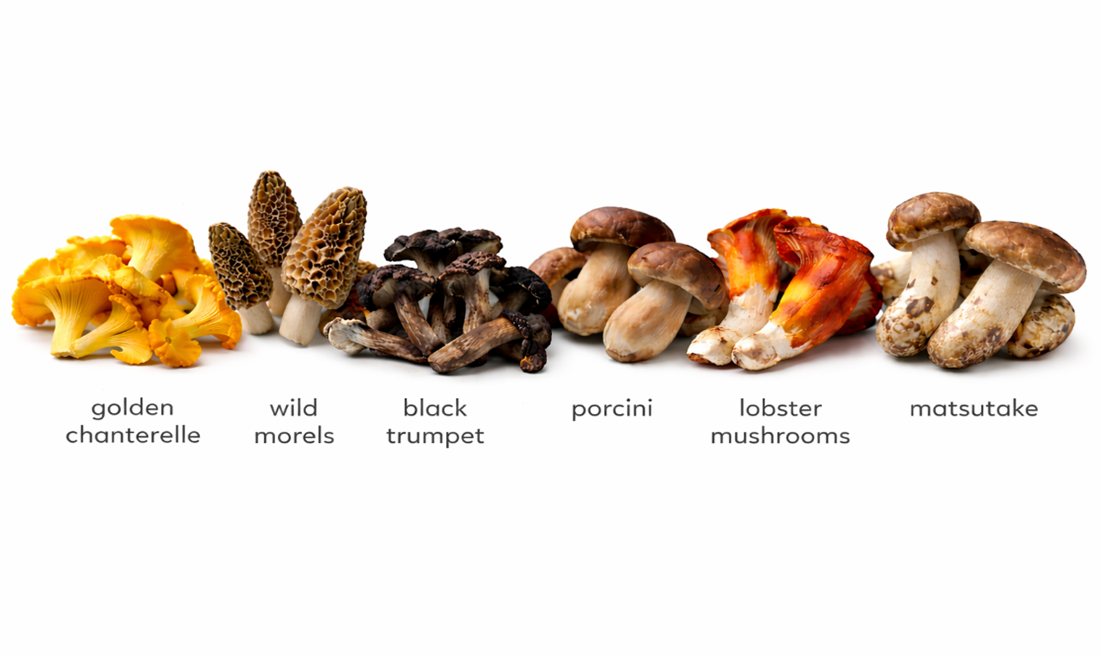
Wild mushrooms, like those offered by Northwest Wild Foods, deliver an especially rich culinary experience. Wild Porcini bring a deep, woodsy savoriness reminiscent of a perfectly browned steak. Golden Chanterelles offer a delicate yet complex flavor that elevates simple sautéed dishes. Morel mushrooms provide a wonderfully meaty bite with a nutty depth, while Lobster Mushrooms, Black Trumpets, and Matsutake contribute their own unique textures and aromas. Each variety adds character to the plate in a way that plant-based substitutes made in factories simply cannot match.
Beyond nutrition and flavor, mushrooms also align beautifully with a mindful, sustainable lifestyle. They require far fewer resources to grow than livestock, meaning a mushroom-centered meal can have a lighter environmental footprint. For many consumers, that’s an added benefit layered onto an already compelling culinary case.
Most importantly, mushrooms bring umami, the savory “fifth taste” that makes meat so appealing. This means that when mushrooms replace meat, meals still taste full, rich, and deeply satisfying. Whether folded into pasta, layered into tacos, grilled like a steak, or gently simmered into a comforting soup, mushrooms prove that reducing meat does not mean giving up enjoyment. Instead, it means discovering new flavors, textures, and possibilities, while nourishing your body in the process.
This article explores how mushrooms can help you “swap, don’t stop”, creating lighter meals that satisfy your taste buds, support your health, and celebrate the incredible variety of wild mushrooms available from Northwest Wild Foods.
Nutritional Benefits of Mushrooms
Carbohydrates and Dietary Fiber
Although mushrooms are often thought of as low-carb foods, most of their dry weight actually comes from carbohydrates, typically 50 to 65 percent. What makes them unique is the mix of digestible carbohydrates, such as glucose and trehalose, alongside non-digestible fibers like chitin, mannans, and beta-glucans. These fibers act as gentle prebiotics that help nourish the gut microbiome, support digestive regularity, and contribute to a healthy immune response. Since much of this carbohydrate fraction is in the form of fiber-rich polysaccharides, mushrooms provide steady, efficient energy without the blood-sugar spikes associated with refined carbohydrates. This combination also enhances satiety, making mushroom-based meals surprisingly filling despite their light calorie load.
Protein and Essential Amino Acids
While mushrooms are not as protein-dense as meat, they do provide all nine essential amino acids, something not all plant-based foods can claim. This makes them a helpful contributor to an overall protein-balanced diet, particularly when combined with legumes, nuts, seeds, or whole grains. Their complete protein works hand-in-hand with fiber to support satiety and stable energy, helping to reduce cravings and overeating.
Healthy Fats and Low Saturated Fat Content
Mushrooms are naturally low in fat, and the fats they do contain are primarily polyunsaturated rather than saturated. This heart-friendly profile stands in contrast to many meats, which may contain higher levels of saturated fat. Choosing mushrooms more often in meals may help support cardiovascular wellness and weight-management goals, all while keeping meals flavorful and satisfying rather than restrictive.
Vitamin D and B-Complex Vitamins
Mushrooms are the only non-animal food that can naturally produce vitamin D when exposed to light, making them especially valuable for individuals with limited sun exposure. Vitamin D supports bone strength, immune function, and overall metabolic health. Beyond this, mushrooms supply meaningful levels of B-vitamins such as riboflavin, niacin, and pantothenic acid, which play essential roles in energy metabolism, brain function, and nervous-system health. This combination of vitamins helps the body convert food into usable energy, a key reason mushrooms fit so well into active, wellness-oriented lifestyles.
Minerals for Cellular and Metabolic Health
Minerals such as selenium, potassium, copper, and iron are naturally present in many mushroom varieties. Potassium supports normal blood-pressure balance, selenium contributes to antioxidant defenses, and copper plays a role in red blood cell formation and immune health. These minerals work synergistically to support healthy tissues, organ function, and oxidative balance throughout the body.
Antioxidants and Ergothioneine
One of the most remarkable nutritional qualities of mushrooms is their antioxidant richness. They contain compounds such as ergothioneine and glutathione, along with selenium and carotenoids, which help neutralize free radicals and protect cells from oxidative stress. Ergothioneine is particularly fascinating because it accumulates in tissues that are prone to oxidative exposure, offering targeted cellular support..This antioxidant capacity may help support healthy aging and a balanced inflammatory response, reinforcing mushrooms’ reputation as a true functional food.
Together, these nutrients make mushrooms far more than a culinary accent. They are nutrient-dense, low in calories and sodium, and naturally supportive of whole-body wellness, a perfect fit for anyone seeking lighter, cleaner, and deeply nourishing meals.
Health Benefits from Enjoying Mushrooms as a Meat Alternative
Powerful Antioxidant Protection
One of the most impressive health advantages of mushrooms lies in their extraordinary antioxidant content, particularly the compounds ergothioneine and glutathione. These antioxidants help neutralize unstable molecules known as free radicals, which are produced by everyday metabolic processes as well as stress, environmental toxins, and poor diet. When left unchecked, free radicals contribute to oxidative stress, a process linked to aging, inflammation, and degenerative conditions such as heart disease and neurodegenerative disorders. Research from Penn State University has shown that mushrooms are among the richest dietary sources of these protective antioxidants. Remarkably, their antioxidant activity remains stable during cooking, meaning sautéed and roasted mushrooms still deliver these protective benefits.
Anti-Inflammatory Support for Long-Term Wellness
Chronic, low-grade inflammation is increasingly recognized as a silent driver behind many modern health concerns, from joint stiffness and fatigue to cardiovascular disease and metabolic disorders. Mushrooms contain unique polysaccharides and antioxidants that help calm excessive inflammatory responses in the body. By supporting a more balanced inflammation pathway, regular mushroom consumption may promote greater comfort, mobility, and long-term health, especially when used to replace processed or high-fat meats that may contribute to inflammation.
Heart and Cardiovascular Health
Substituting mushrooms for meat can be a simple and delicious way to support heart health. Mushrooms are naturally low in calories, cholesterol-free, and contain very little saturated fat, helping to reduce dietary burden on the cardiovascular system. Their potassium content supports healthy blood-pressure balance, while antioxidant compounds help protect delicate blood vessels from oxidative damage. Fiber in mushrooms also contributes to healthy cholesterol metabolism, making them a natural fit for a heart-smart diet.
Brain and Cognitive Support
The antioxidant ergothioneine has drawn interest for its potential role in protecting brain tissue from oxidative stress and supporting healthy cognitive aging. For older adults or wellness-minded consumers, mushrooms provide a nourishing, natural way to support mental clarity and long-term brain health.
Supporting a Balanced Immune System
Mushrooms naturally contain beta-glucans, complex fibers that gently support immune function. Rather than overstimulating the immune response, these compounds help “train” immune cells to respond appropriately to illness and inflammation. This modulating effect is particularly valuable in today’s world, where immune resilience is essential to everyday wellness. Combined with key immune-supporting nutrients such as selenium and B-vitamins, mushrooms contribute to a defense system that is responsive, balanced, and ready to protect the body when needed.
Gut Health and Metabolic Balance
Mushrooms are rich in both soluble and insoluble fibers, including beta-glucans and chitin, prebiotic fibers that nourish beneficial gut bacteria. When these fibers are fermented in the colon, they produce short-chain fatty acids that help strengthen the gut lining, reduce inflammation, and support metabolism. A healthier gut environment is closely tied to steadier blood sugar levels, improved digestion, and enhanced immune health. For individuals aiming to manage weight, mushrooms offer satisfying texture and fullness with far fewer calories than meat, helping support long-term dietary balance.
Healthy Skin, Aging, and Collagen Support
Nutrients and antioxidants in mushrooms also benefit the skin. Selenium and vitamin-rich compounds support collagen formation, helping maintain skin elasticity and structure, while antioxidant protection helps reduce environmental and UV-induced damage.
Whole-Body Vitality Without the Heaviness
Replacing some or all of the meat in meals with mushrooms helps reduce saturated-fat intake, improve fiber consumption, and increase nutrient density, key pillars of a lifestyle focused on longevity and vitality.
Meet the Stars: The Wild Mushrooms You’ll Love

Wild Porcini mushrooms are often considered the “royalty” of the mushroom world, prized for their deep, woodsy aroma and rich umami flavor that rivals a perfectly seared steak. Their dense, velvety texture holds up beautifully in cooking, making them ideal for risottos, pastas, stews, and sauces where they add incredible depth and savory character. Porcini deliver the kind of warming, full-bodied flavor that turns a simple dish into something luxurious, which is why chefs and home cooks alike return to them year after year. For anyone trying to reduce meat consumption, porcini offer the kind of satisfying richness that makes plant-forward meals feel indulgent rather than restrictive.
Golden Chanterelles bring a different, but equally enchanting, culinary experience. Their trumpet-shaped caps and golden color hint at their delicate beauty in the pan. Chanterelles have a gentle fruity and peppery aroma, with a tender texture that shines when sautéed simply in butter or olive oil with herbs. They pair beautifully with eggs, poultry substitutes, seafood dishes, and creamy sauces, adding elegance without heaviness. Chanterelles are truly seasonal treasures, and their refined flavor appeals to those who appreciate subtlety and nuance in their cooking.
Wild Morel mushrooms are instantly recognizable for their honeycomb-like caps and rustic charm. Their flavor is deeply savory with a slightly nutty undertone, and their firm yet tender texture makes them exceptionally satisfying in the mouth. Morels absorb sauces beautifully, becoming little flavor “sponges” that carry cream, wine, and herb-infused broths effortlessly. They are wonderful in sautés, pastas, and springtime dishes, and are especially beloved by mushroom enthusiasts who wait eagerly for their short harvest season each year.
Matsutake mushrooms bring an entirely different dimension to the table with their distinctive spicy, pine-forest aroma. Highly valued in Japanese cuisine, they offer a clean, elegant flavor that evokes autumn woodlands and ocean breezes. Matsutake are often prepared simply to honor their natural character, lightly sautéed, steamed with rice, or gently simmered in broth. Their firm texture and fragrant complexity make them ideal for mindful, wellness-oriented cooking, where pure ingredients take center stage.
Black Trumpet mushrooms look delicate but deliver bold, smoky intensity. Their dark, fluted petals concentrate flavor in a way that brings remarkable depth to sauces, grain dishes, and sautés. Despite their dramatic appearance, they cook down into soft ribbons of savory richness, weaving beautifully into pasta, risotto, and vegetable medleys. They are a favorite among gourmet cooks for the way they transform simple ingredients into sophisticated meals.
Lobster Mushrooms complete this celebrated lineup with their vibrant orange-red exterior and dense, meaty bite. They earn their name not only from their color, but also from their satisfying texture and subtle sea-spray character that makes them a natural fit for chowders, bisques, and seafood-style dishes. When sautéed or roasted, they develop a hearty chew reminiscent of shellfish, making them an especially appealing option for those transitioning from seafood or meat toward more plant-rich meals.
Together, these six wild mushrooms are among the very best that nature has to offer: exceptional flavor, beautiful texture, culinary inspiration, and nourishing goodness in every bite.
Culinary Enjoyment, Preparation, and Practical Tips
Part of the magic of mushrooms lies in the simple joy of cooking with them. They bring a depth of flavor known as umami, the same savory richness that makes slow-roasted meats taste so satisfying. When mushrooms hit a warm pan, their natural sugars caramelize and their flavors deepen, creating an aroma that instantly signals comfort and nourishment. This makes them incredibly rewarding to use as a meat alternative because you never feel like you are giving anything up. Instead, you are discovering new dimensions of flavor, texture, and creativity in the kitchen.
Cooking mushrooms well begins with heat. Searing them in a hot pan with olive oil or butter allows excess moisture to evaporate, concentrating their natural savoriness. When overcrowded or steamed, mushrooms can become soft and watery. However, when given space to brown, they develop a lovely golden crust and a tender-meaty interior. The result is a bite that feels hearty and satisfying, exactly what you want when replacing meat in a dish. Aromatic companions like garlic, shallots, fresh herbs, pepper, wine, or stock pair beautifully with their earthy character, while a sprinkle of sea salt lifts their flavor to its fullest expression. From simple sautés served over grains or pasta, to rich risottos, soups, and roasted vegetable medleys, mushrooms adapt effortlessly to both rustic home cooking and refined gourmet dishes.
The wild mushrooms add another level of culinary pleasure. Each variety has its own personality, whether that is the deep steak-like richness of porcini, the delicate elegance of chanterelles, or the uniquely fragrant quality of matsutake. Experimenting with these different mushrooms can make cooking feel like a creative adventure, one grounded not only in flavor, but in nourishment and connection to the natural world.
Alongside their culinary beauty comes practicality. Mushrooms are surprisingly easy to store and prepare when a few simple guidelines are followed. Fresh mushrooms keep best when stored in the refrigerator in a breathable container; paper bags or loosely covered containers help prevent moisture buildup that can cause spoilage. Avoid sealing them tightly in plastic, as mushrooms naturally release moisture over time. Before cooking, a gentle brush or quick rinse is all that is needed to remove debris. Soaking is not recommended, as mushrooms can absorb water and lose some of their ability to brown.
Dried mushrooms offer both convenience and extraordinary flavor. They store well for months and can be quickly revived by soaking in warm water or broth. Once softened, they can be added to soups, sauces, grain bowls, or sautés, while the soaking liquid adds wonderful depth to stocks and stews. This makes dried mushrooms a pantry essential, ready to elevate weekday meals or add gourmet flair to special occasions.
When substituting mushrooms for meat, think in terms of texture, flavor, and overall satisfaction rather than protein numbers alone. Mushrooms perform beautifully in dishes where savoriness, chew, and depth are key. Try using them in tacos, pasta sauces, grain bowls, risottos, or even hearty “mushroom steaks” pan-seared with herbs and butter. They also shine when combined with plant proteins such as beans, lentils, tofu, or nuts, creating balanced meals that feel complete and nourishing.
Most importantly, mushrooms invite you to slow down and savor your food. Their aromas, textures, and natural beauty remind us that healthy eating does not need to be restrictive or complicated. It can be joyful, sensory, and deeply satisfying. By choosing wild mushrooms, you are not only bringing gourmet flavor into your kitchen, you are embracing a wholesome, sustainable, and delicious way of eating that supports both your health and the planet.
Conclusion & Takeaway
Choosing mushrooms as a delicious alternative to meat is not about restriction or sacrifice, it is about discovering a more vibrant, nourishing way to enjoy food. Mushrooms bring together everything that today’s health-conscious consumer values: rich, satisfying flavor; meaningful nutrition; and a lighter impact on both body and environment. Their natural umami depth makes meals feel indulgent, while their low-calorie, fiber-rich, antioxidant-packed profile supports long-term wellness. When mushrooms take center stage on the plate, you are not missing anything. Instead, you are gaining flavor complexity, culinary creativity, and a way of eating that simply feels better: lighter yet still deeply satisfying.
Ultimately, the message is simple: you do not have to stop enjoying the foods you love, you can simply swap smarter. Replacing some or all of the meat in your meals with mushrooms supports your heart, brain, digestion, immune health, and overall vitality, while still delivering the comfort and satisfaction that make meals such a cherished part of daily life. By welcoming more mushrooms into your kitchen, you are embracing a wholesome, sustainable, and deeply delicious way of eating that nourishes both the body and the spirit.
==================================================================
Resources Used for NWWF Blog #116: Replacing Meat with Mushrooms
https://www.sciencedirect.com/science/article/abs/pii/S0963996925009706
https://plantbasednews.org/lifestyle/food/mushrooms-meat-replacement/
https://decorwithstyle.com/can-mushrooms-be-a-meat-substitute/
https://olivesfordinner.com/mushroom-meat/
https://mokufoods.com/blogs/nutrition/9-types-of-mushrooms-that-make-great-meat-replacements
https://grocycle.com/can-mushrooms-replace-meat/
https://mushroology.com/mushroom-meat-substitutes/
https://realmushrooms.com/blogs/rm/mushroom-meat-substitutes
https://www.shroomer.com/mushroom-meat-substitute/
https://www.uncommonfood.com/mushrooms-from-superfood-to-meat-substitute/