
Smart Snacking: Going Nuts for Brain Health

Introduction: Nourishing the Mind Naturally
In today’s busy world, where long days and packed schedules often replace balanced meals with convenience foods, our brains are often the first affected. Quick, processed snacks may satisfy hunger in the moment, but they can leave us feeling sluggish, unfocused, and mentally drained. That is why choosing smart snacks, nutrient-dense foods that truly feed the body and mind, can make all the difference; and that is why few foods are smarter than nuts.
These small, nutrient-dense treasures have been valued since ancient times, collected by our hunter-gatherer ancestors, and cherished across cultures for their rich taste and concentrated nourishment. Today, science confirms what traditional wisdom has long suggested: nuts are exceptional for cognitive health, memory, and mood.
Packed with healthy fats, protein, antioxidants, vitamins, and minerals, nuts help protect brain cells from oxidative stress, support nerve function, and enhance circulation. Regular nut consumption has been linked in numerous studies to improved memory, focus, and verbal reasoning, especially in older adults. In fact, research shows that people who eat nuts regularly have up to a 17% lower risk of cognitive decline compared with those who rarely do.
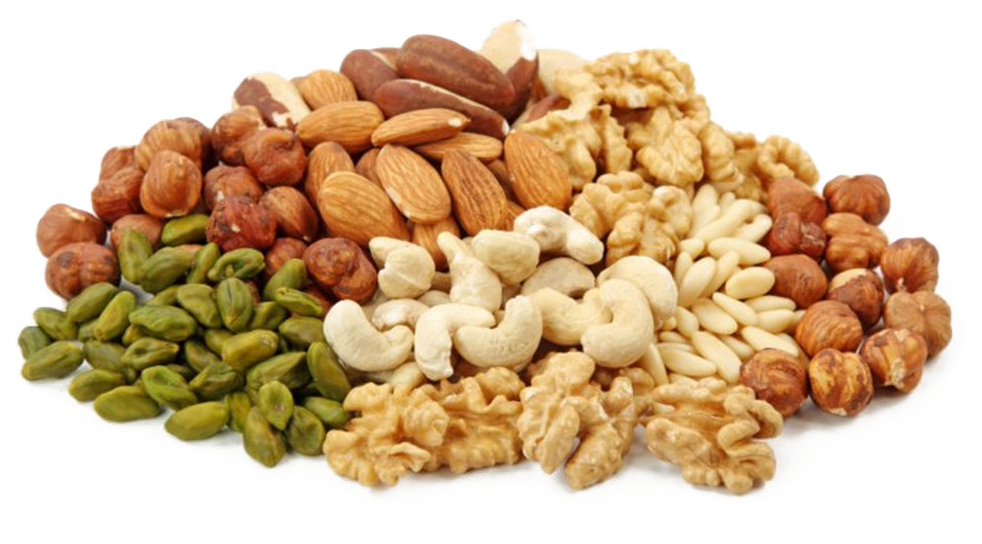
Among the many varieties of nuts, walnuts stand out for their high levels of plant-based omega-3s and polyphenols that support neuron health and memory; almonds provide vitamin E, long recognized for preserving cognitive function; hazelnuts and pistachios contain carotenoids and other phytonutrients that improve circulation and help the brain stay alert; pecans, rich in polyphenols and monounsaturated fats, assist in combating inflammation and protecting brain cells; while brazil nuts offer selenium, a powerful antioxidant mineral essential for protecting delicate brain tissues from oxidative damage.
Together, these nutrients form a natural defense system, enhancing concentration, improving mood, and supporting the brain’s ability to adapt and repair itself over time.
Therefore, when hunger strikes between meals, reaching for a handful of premium nuts is not just a tasty choice, it is an investment in your long-term mental performance. Nuts are a true example of smart snacking done right: delicious, satisfying, and scientifically proven to help keep your mind sharp, your mood balanced, and your focus strong.
In the sections ahead, we will explore further why nuts are so beneficial for brain health, what science says about their enhancement of cognitive powers, and how you can easily and deliciously incorporate them into your daily routine.
Nutritional Powerhouses: The Secret to their Power
The brain is composed of nearly 60% fat, and it depends on the right kinds of fats, especially omega-3 and monounsaturated fats, to maintain structure and function. Nuts deliver both in abundance. These beneficial fats help build and repair brain cell membranes, enhance communication between neurons, and reduce inflammation linked to cognitive aging.
Just as important are the antioxidants found in nuts, including vitamin E, polyphenols, and flavonoids. These compounds neutralize free radicals and protect delicate brain cells from oxidative stress, a process that contributes to memory loss and neurodegenerative diseases like Alzheimer’s. Add in a host of anti-inflammatory nutrients such as magnesium, selenium, and plant-based polyphenols, and it is easy to see why nuts are such powerful allies for mental performance.
Beyond healthy fats and antioxidants, nuts provide protein and essential amino acids that help produce neurotransmitters like serotonin and dopamine, the brain chemicals responsible for mood, motivation, and mental focus. The B-vitamins found in many nuts support cellular energy and nerve health, while magnesium helps regulate stress and promotes relaxation and restful sleep.
The Top “Brain Nuts”
Each type of nut brings its own unique mix of nutrients that supports cognitive health in different ways:
Walnuts: The Classic Brain-Shaped Superfood
Nature seems to give us a hint: the walnut’s shape resembles the human brain, and for good reason. Walnuts are the richest source of plant-based omega-3 fatty acids. These omega-3s enhance memory, improve blood flow, and protect neurons from inflammation. Walnuts also supply magnesium, selenium, melatonin, folate, vitamin E, and polyphenols, nutrients that work together to reduce stress and improve mood. Clinical studies have shown that eating walnuts daily can enhance cognitive performance, lower depression scores, and even improve sleep quality.
Almonds: Antioxidant Power and Mental Clarity
Almonds are best known for their high vitamin E content, a key antioxidant that shields brain cells from oxidative stress and helps preserve memory with age. They are also an excellent source of magnesium, which supports nerve signaling and helps regulate mood and stress levels. Almonds even help stimulate the production of acetylcholine, a neurotransmitter vital to learning and memory. Studies suggest that regular almond consumption can help counteract cognitive decline and promote sharper focus.
Pecans: Polyphenols and Mental Protection
Pecans, with their buttery richness, are loaded with monounsaturated fats and polyphenols that fight oxidative stress and inflammation. They also contain omega-3 fatty acids, along with magnesium, manganese, thiamine, and copper, all of which support brain energy and antioxidant defenses. Long-term studies have linked higher pecan intake to improved cognitive scores and reduced risk of neurodegenerative disease. These nutrients also help stabilize neurotransmitter activity, promoting a calm, focused state of mind.
Hazelnuts: Vitamin E and Neuroprotection
Hazelnuts are another excellent source of vitamin E, providing a strong defense against oxidative stress and premature aging of brain cells. Their combination of healthy fats, flavonoids, and amino acids such as tryptophan and tyrosine helps balance serotonin and dopamine levels, supporting mood and alertness. Research indicates that hazelnuts may help reduce the risk of Alzheimer’s and Parkinson’s disease through their potent antioxidant activity.
Pistachios: Small but Mighty for Memory and Mood
Pistachios may be small, but they are packed with vitamin B6, which aids in the production of neurotransmitters like serotonin and dopamine. They are also a source of selenium and omega-3 fatty acids, both vital for memory and cognitive function. A unique bonus: pistachios are among the richest natural sources of melatonin, the hormone that regulates sleep. Snacking on a small handful in the evening can support relaxation and promote more restful sleep, essential for memory consolidation and brain repair.
Cashews: Calm Energy and Serotonin Support
Cashews are loaded with magnesium, copper, and zinc, minerals that promote steady energy, oxygen flow to the brain, and a balanced mood. They also contain tryptophan, the precursor to serotonin, making them excellent for emotional well-being and stress reduction.
Brazil Nuts: Selenium for Brain Defense
Just one or two Brazil nuts per day can meet your entire recommended intake of selenium, a trace mineral with powerful antioxidant effects. Selenium helps protect brain tissue from oxidative damage, supports thyroid health (which influences brain metabolism), and may reduce anxiety by modulating neurotransmitters.
Together, the healthy fats, antioxidants, vitamins, and minerals in these nuts form a powerful defense network for your brain. Omega-3s and monounsaturated fats preserve cell structure; vitamin E and polyphenols reduce oxidative stress; B-vitamins and amino acids sustain neurotransmitter balance; and minerals like magnesium and selenium help keep inflammation under control.
Eating a small handful of mixed nuts daily, ideally raw or lightly roasted, can provide lasting energy, enhance focus, and protect long-term cognitive function.
How These Nutty Nutrients Preserve Brain Health
Nuts influence brain health through several complementary mechanisms, each contributing to long-term cognitive strength:
Neuroprotection through Antioxidants
The vitamin E, polyphenols, and flavonoids in nuts serve as potent antioxidants, protecting neurons from oxidative damage that can impair learning, memory, and coordination. Studies have shown that diets rich in these compounds can reduce the buildup of harmful free radicals linked to Alzheimer’s and other neurodegenerative disorders.
Improved Blood Flow and Oxygen Delivery
The monounsaturated and polyunsaturated fats in nuts help maintain flexible, healthy blood vessels. Better circulation ensures that the brain receives a steady flow of oxygen and nutrients. Research from the University of Barcelona found that people who consumed mixed nuts daily for six months experienced improved cerebral blood flow and enhanced verbal reasoning.
Reduced Inflammation and Cellular Stress
Chronic, low-grade inflammation is one of the primary drivers of cognitive decline. The magnesium, selenium, and omega-3 fatty acids in nuts have anti-inflammatory effects that help calm the immune system and protect neural tissues. Walnut consumption, in particular, has been associated with lower levels of C-reactive protein (CRP), a key marker of inflammation.
Support for Neurotransmitters and Brain Communication
Nuts supply the amino acids and micronutrients needed to produce neurotransmitters such as serotonin, dopamine, and acetylcholine. These brain chemicals regulate mood, motivation, and concentration. Vitamin B6 in pistachios, folate in hazelnuts, and L-carnitine in almonds all play direct roles in this process, promoting clearer thinking and emotional balance.
Enhanced Brain Plasticity and Repair
Compounds found in walnuts and other nuts have been shown to boost levels of brain-derived neurotrophic factor (BDNF), a protein essential for forming new neural connections. Higher BDNF levels are associated with better learning, memory formation, and the brain’s ability to recover from stress or injury.
A Natural Synergy of Nutrition and Function
No single nutrient is responsible for the remarkable brain-supporting effects of nuts. Instead, the synergy among healthy fats, antioxidants, minerals, and amino acids allows the brain to function at its best. The same omega-3s that stabilize mood also promote blood flow; the vitamin E that guards neurons works in tandem with selenium to prevent oxidative stress; and magnesium’s calming influence complements the energizing effects of B-vitamins. Together, these nutrients form a network of protection that keeps your mind sharp, your mood balanced, and your neurons resilient, even under stress.
Nuts for Protection Against Long-term Cognitive Decline and Neurodegeneration ( Alzheimer’s and Parkinson’s)
Your brain is a remarkable organ, constantly processing, remembering, and adapting. To perform at its best, it needs a steady supply of nutrients that support focus, memory, and emotional balance while protecting against long-term decline. Nuts, with their unique blend of healthy fats, antioxidants, and micronutrients, provide exactly that. Decades of research show that regular nut consumption sharpens cognition today and helps safeguard brain health for years to come.
Sharper Thinking and Better Focus
Nuts are rich in healthy fats, especially omega-3 and monounsaturated fatty acids, which strengthen the membranes surrounding brain cells and promote smooth communication between neurons. Walnuts, in particular, supply alpha-linolenic acid (ALA), a plant-based omega-3 that improves memory and supports blood flow to the brain. Studies show that individuals who eat walnuts regularly perform better on tests of reasoning, memory, and processing speed.
Almonds and hazelnuts provide abundant vitamin E, a powerful antioxidant that shields neurons from oxidative stress, the natural wear and tear that leads to mental fatigue and forgetfulness. Meanwhile, B-vitamins in pistachios and peanuts assist in producing neurotransmitters like dopamine and acetylcholine, which regulate attention, motivation, and memory retention. Together, these nutrients help sustain concentration throughout the day without the energy crash caused by refined snacks.
Mood, Calm, and Emotional Balance
The nutrients in nuts also play a vital role in supporting emotional well-being. Magnesium, found in cashews, almonds, and Brazil nuts, helps calm the nervous system and reduce the effects of stress. Tryptophan, an amino acid in cashews, contributes to serotonin production, the brain’s “feel-good” chemical, helping to stabilize mood and promote relaxation.
Selenium, concentrated in Brazil nuts, adds another layer of protection by combating oxidative stress in brain tissue and supporting thyroid function, which influences emotional balance. In one clinical study, participants who ate just two Brazil nuts daily for six weeks experienced improved mood and reduced anxiety. Vitamin B6 in pistachios also enhances serotonin, promoting calm focus and restorative sleep.
Protecting Against Cognitive Decline
Beyond boosting daily performance, nuts act as a natural defense system against neurodegenerative diseases like Alzheimer’s and Parkinson’s. Much of this protection stems from their antioxidant and anti-inflammatory power. The brain, rich in delicate fats, is especially vulnerable to oxidative stress, a process that can damage neurons and accelerate aging. Compounds such as polyphenols, vitamin E, and omega-3s found in walnuts, almonds, and pecans neutralize free radicals before they can harm brain cells.
At the same time, minerals like magnesium, manganese, and selenium help regulate inflammation, reducing one of the major underlying causes of cognitive decline. Research from Harvard and UCLA has shown that people who eat nuts regularly have slower age-related memory loss and lower risks of Alzheimer’s. Recent studies found that participants following a Mediterranean diet enriched with nuts demonstrated improved memory and higher overall cognitive scores than those on a low-fat diet.
Supporting Long-Term Brain Vitality
In diseases such as Alzheimer’s, oxidative stress and inflammation lead to the accumulation of harmful proteins and the breakdown of neural connections. Nutrients in nuts, especially those in walnuts, almonds, and hazelnuts, help counter these effects by enhancing cellular energy, maintaining blood flow, and reducing amyloid buildup. Pecans and walnuts, rich in polyphenols and omega-3s, also support dopamine-producing neurons, offering potential benefits for individuals at risk of Parkinson’s disease.
Long-term population studies consistently show that people who include a daily serving of nuts in their diets experience better cognitive function and memory as they age. By improving circulation, reducing inflammation, and sustaining healthy brain chemistry, nuts provide a comprehensive, natural defense against both everyday stress and age-related decline.
Culinary Enjoyment: Delicious Ways to Go Nuts for Brain Health
Nuts are packed with nutrients, but a little goes a long way. A small handful, about one ounce per day, is the ideal serving for most people. Choose raw or dry-roasted varieties to minimize added oils and salts, and store them in airtight containers (preferably in the refrigerator or freezer) to preserve freshness. Variety is key, rotate between walnuts, almonds, pecans, hazelnuts, pistachios, cashews, and Brazil nuts to take advantage of their diverse nutrients and flavors, or enjoy various combinations of these.
Creative Ways to Add Brain Nuts to Your Day
Start your morning with a crunch: sprinkle chopped nuts on oatmeal, yogurt, or cereal, or blend almond butter into a smoothie for long-lasting energy. A spoonful of nut butter on whole-grain toast makes a satisfying breakfast that feeds both body and mind.
For lunch and dinner, scatter toasted nuts over salads, wraps, or grain bowls to add flavor and texture. Create a vibrant walnut or almond based pesto to toss with pasta, grilled vegetables, or fish. Try a nut-crusted entrée, almonds or pecans mixed with herbs make an excellent coating for baked chicken, salmon, or tofu.
When it is time for something sweet, think nutty: fold chopped nuts into homemade granola bars, banana bread, or fruit crisps. Drizzle honey over a bowl of mixed berries and toasted nuts for a simple, antioxidant-rich dessert.
Finally, pair these nuts with other cognitive superfoods, walnuts with blueberries, almonds with dark chocolate, or pistachios with salmon and spinach, to amplify both flavor and function. With combinations like these, eating for brain health becomes one of life’s most enjoyable habits.
Conclusion and Takeaway
In a world that demands constant focus and quick thinking, taking care of your brain is one of the most meaningful investments you can make, and nature has provided a simple, delicious way to do it. Nuts are more than just convenient snacks; they are compact nutritional powerhouses brimming with healthy fats, plant-based protein, antioxidants, vitamins, and minerals that keep your mind clear, sharp, and resilient. Together, they enhance cognitive performance, steady mood, and guard against the effects of aging and neurodegeneration.
Adding a small handful of mixed nuts to your day can help sustain mental energy, sharpen memory, and promote long-term brain vitality. When combined with other brain-boosting foods like wild berries, leafy greens, and omega-3–rich seafood, these nutrient-dense snacks become part of a holistic lifestyle that nourishes both body and mind.
So the next time you reach for a snack, make it one that satisfies your taste buds and strengthens your mind. A handful of premium nuts might just be the smartest, and tastiest, bite of your day.
==================================================================
Resources Used for NWWF Blog #106:Smart Snacking: Going Nuts Brain Health
https://foodandmooddietitian.com/brain-nuts-the-top-5-nuts-for-brain-health/
https://parade.com/health/best-nut-for-brain-health
https://www.aarp.org/health/healthy-living/nuts-and-seeds-for-brain-health/
https://www.medicalnewstoday.com/articles/could-eating-more-nuts-help-boost-memory-later-in-life
https://www.lauramali.com/nuts-for-brain-health/
https://instituteforfunctionalhealth.com/7-nuts-and-seeds-that-are-healthy-brain-fuel/
https://graciouslynourished.com/best-nuts-for-brain-health/
https://www.nutsforlife.com.au/resource/nuts-and-brain-health/
https://www.vermifood.com/nuts-for-brain/
https://www.brainhq.com/better-brain-health/article/brain-health/going-nuts-brain-health
https://nutritionmeetsfoodscience.com/2025/01/21/smart-snacking/