Heart-Smart Snacking Make Nuts Part of Your Daily Routine
Heart-Smart Snacking:
Make Nuts Part of Your Daily Routine

When it comes to taking care of your heart, the small dietary choices you make each day can add up to big results over the long run. One of the simplest, and tastiest, ways to protect your cardiovascular health is by adding nuts to your daily diet. Once dismissed as high-calorie “fat bombs,” nuts are now celebrated as nutritional powerhouses. Research consistently shows that enjoying just a handful of nuts several times a week can reduce the risk of heart disease, improve cholesterol levels, and even lengthen life expectancy.
In fact, large cohort studies such as the Iowa Women’s Health Study, the Nurses’ Health Study and the Physicians’ Health Study have found that people who regularly eat nuts experience a 30 to 50 percent lower risk of heart attack, sudden cardiac death, or cardiovascular disease compared to those who rarely eat them. Another analysis revealed that individuals who consumed nuts more than four times a week had a 25 percent lower risk of dying from heart disease than those who indulged less often. These are impressive numbers for such a small dietary shift; proof that what you snack on truly matters.
Heart health deserves so much attention because cardiovascular disease remains one of the leading causes of death worldwide, yet it is also one of the most preventable. Lifestyle factors such as diet, exercise, stress management, and not smoking have a profound impact on whether arteries stay clear or become clogged. Because the heart and circulatory system work tirelessly to keep the body nourished with oxygen and nutrients, protecting them should be a top priority. Choosing foods that actively support cardiovascular function is one of the most effective steps you can take.
This is where nuts come in. Far from being junk food, nuts provide a concentrated source of healthy fats, protein, fiber, and antioxidants, all key players in cardiovascular health. The unsaturated fats in nuts help lower LDL (“bad”) cholesterol while raising HDL (“good”) cholesterol; the plant sterols reduce cholesterol absorption in the intestines; antioxidants such as vitamin E protect delicate blood vessels from oxidative stress; and the fiber present contributes both to steady blood sugar levels and long-lasting satiety, important for maintaining a healthy weight, another major factor in heart wellness.
Even the U.S. Food and Drug Administration recognizes the scientific evidence. Certain nuts and nut-based foods can now carry the health claim that eating 1.5 ounces of certain nuts daily may reduce the risk of heart disease when part of a diet low in saturated fat and cholesterol. In other words, the benefits are strong enough to be printed on the label.
So, if you are looking for an easy, enjoyable way to take care of your heart, consider making nuts a regular part of your daily routine. Whether it is almonds sprinkled on your morning oats, walnuts tossed into a salad, or pistachios enjoyed straight from the shell, the opportunities to snack smart are endless. Over the course of this article, we will explore the nutritional components of nuts, highlight the varieties that shine brightest for cardiovascular health, and share delicious ways to incorporate them into your meals. Because protecting your heart does not have to be complicated, it can be as simple as grabbing a handful of nature’s own heart-smart snack.
A Nutritional Powerhouse
At first glance, nuts may seem like a simple snack: small, crunchy, and easy to overlook. But beneath their shells, nuts are packed with a remarkable array of nutrients that work together to promote not just general wellness, but specifically a healthier heart. Each handful delivers a concentrated dose of vitamins, minerals, healthy fats, protein, fiber and antioxidants, making them one of the most nutrient-dense foods you can add to your diet.
Healthy Fats and Omega-3s
The majority of fats in nuts are unsaturated, specifically monounsaturated and polyunsaturated fats. These “good fats” lower LDL (“bad”) cholesterol while improving HDL (“good”) cholesterol, tipping the balance in favor of a healthier heart. Walnuts stand out as an excellent source of plant-based omega-3 fatty acids, which not only reduce blood triglycerides but also help prevent irregular heart rhythms and support the flexibility of blood vessels.
Fiber for Cholesterol Control
All nuts contain fiber, a vital nutrient for cholesterol management. Soluble fiber in particular binds with cholesterol in the digestive tract and helps escort it out of the body before it can be reabsorbed. The numbers are impressive: a 200-calorie serving of nuts provides between 3 and 10 grams of fiber, and research shows that adding just 10 grams of fiber daily can cut the risk of heart disease by 17%. Fiber also promotes satiety, helping with weight control, an important protective factor for the heart.
Plant-based Protein
Nuts are a surprisingly rich source of plant-based protein. Just one ounce of almonds, for example, provides about six grams of protein. This makes nuts a satisfying snack that helps curb cravings, reduce overeating, and support weight control, important because maintaining a healthy weight directly reduces strain on the heart and blood vessels.
Antioxidants and Micronutrients
Nuts also deliver a wide range of antioxidants and micronutrients. Vitamin E, abundant in almonds and hazelnuts, helps protect cells from oxidative damage that can contribute to artery-clogging plaque. Selenium, found in Brazil nuts, plays a key role in reducing oxidative stress and supporting thyroid function, which indirectly influences cardiovascular health. Magnesium, copper, and potassium found across nut varieties help regulate blood pressure and support proper muscle and nerve function, including the steady beat of the heart.
Plant Sterols and Arginine
Nuts also contain plant sterols, naturally occurring compounds that block cholesterol absorption in the intestines. Pistachios and sunflower seeds are particularly rich in these sterols. Another compound, the amino acid L-arginine, supports the production of nitric oxide, which relaxes and widens blood vessels, improving circulation and lowering the risk of dangerous clots.
Bioactive Compounds
Beyond vitamins and minerals, nuts contain phytochemicals such as carotenoids, flavonoids, and polyphenols. These bioactive compounds have powerful antioxidant and anti-inflammatory effects, offering an additional layer of cardiovascular protection.
The Synergy Effect
What makes nuts so special is not just one nutrient, it is the synergy of all these components working together. The blend of healthy fats, protein, fiber, vitamins, minerals, and antioxidants creates a food that nourishes the cardiovascular system on multiple levels. By making them part of your everyday routine, you are giving your heart the building blocks it needs to stay strong and resilient for years to come.
Heart-Healthy Benefits of Eating Nuts
By now it is clear that nuts contain an impressive lineup of nutrients, but what really matters is how those nutrients translate into real-world health outcomes. Over the past few decades, research has consistently shown that eating nuts regularly can lead to measurable improvements in cardiovascular health. From lowering cholesterol to reducing inflammation, here is how these small but mighty foods protect one of your body’s most vital organs.
Lowering Cholesterol and Improving Lipid Profiles
One of the most well documented effects of nut consumption is improved cholesterol levels. The combination of unsaturated fats, plant sterols, and soluble fiber works together to reduce LDL (“bad”) cholesterol while raising HDL (“good”) cholesterol. Triglyceride levels, a key marker of heart disease risk, are also lowered when nuts are consumed regularly, especially omega-3-rich walnuts. These improvements in lipid profiles are powerful predictors of reduced heart attack and stroke risk.
Reducing Inflammation and Oxidative Stress
Chronic inflammation is a driving force behind the development of atherosclerosis, the buildup of plaque in the arteries. Antioxidants and bioactive compounds in nuts, including vitamin E, polyphenols, and flavonoids, help counteract oxidative stress, which fuels inflammation and damages blood vessels. Studies show that people who eat nuts frequently have lower levels of inflammatory biomarkers, meaning their bodies are better equipped to prevent arterial damage before it starts.
Supporting Blood Vessel Function and Blood Pressure
The amino acid L-arginine in nuts contributes to the production of nitric oxide, which helps blood vessels relax and remain flexible. This reduces arterial stiffness and improves circulation. Meanwhile, minerals like magnesium, potassium, and calcium help regulate blood pressure and reduce vascular resistance. Over time, these effects lower the risk of hypertension, one of the most significant risk factors for cardiovascular disease.
Promoting Healthy Weight and Metabolic Health
Although nuts are calorie-dense, research shows they may actually support healthy weight management. Their blend of protein, fiber, and healthy fats promotes satiety, which helps curb overeating and reduces reliance on less nutritious snacks. Maintaining a healthy weight is crucial for heart health, as excess body fat increases strain on the cardiovascular system and raises the risk of diabetes, another major contributor to heart disease.
Evidence from Clinical Studies and Diet Patterns
The benefits of nuts are not just theoretical, they are backed by large-scale studies. The landmark PREDIMED trial, which investigated the Mediterranean diet, found that participants who added a daily serving of mixed nuts had significantly fewer cardiovascular events compared to those on a low-fat diet. Similarly, observational studies such as the Nurses’ Health Study and the Adventist Health Study consistently report 30–50% reductions in heart attacks and sudden cardiac death among regular nut consumers.
In sum, nuts support cardiovascular health on multiple fronts: improving cholesterol, reducing inflammation, supporting vascular function, and helping maintain a healthy weight. When you put all of these benefits together, it is easy to see why nutrition experts, cardiologists, and even the FDA endorse nuts as a key part of a heart-smart lifestyle.
The Distinct Benefits of Different Nuts
While all nuts and seeds share a common nutritional theme, i.e. healthy fats, fiber, protein, vitamins, and minerals, each type offers its own unique combination of nutrients. That is why eating a variety is the best way to ensure you are getting the broadest spectrum of heart-protective benefits.
- Walnuts: Known as one of the best plant-based sources of omega-3 fatty acids, walnuts help lower triglycerides, improve cholesterol balance, and support blood vessel health. They also provide copper and manganese, important for blood pressure regulation.
- Almonds: Packed with vitamin E, magnesium, and fiber, almonds support healthy cholesterol levels, reduce inflammation, and may help lower blood pressure. Almonds also contain manganese, which could offer similar benefits. Just one ounce covers 45% your daily vitamin E needs.
- Pistachios: Rich in potassium, fiber, and vitamin B6, pistachios promote healthy blood pressure and cholesterol levels. They are also slightly lower in calories than many nuts, making them a good option for mindful snacking and weight control.
- Cashews: A plant-based source of iron, magnesium, and zinc, cashews support circulation, energy production, and immune function.
- Hazelnuts: High in vitamin E, folate, and magnesium, hazelnuts help protect blood vessels and support nerve and muscle health. They are also an excellent source of copper and manganese.
- Pecans: Rich in fiber, thiamine, phosphorus, potassium and zinc, pecans can help reduce cholesterol and support metabolic health. They may also reduce the risk of diabetes, which impacts cardiovascular health. They also provide beneficial antioxidants.
- Macadamia Nuts: With some of the highest levels of monounsaturated fats, macadamias help improve cholesterol ratios and provide manganese for bone and metabolic health.
- Seeds: Flaxseeds and chia seeds are excellent plant-based omega-3 sources and provide lignans, which may lower blood pressure. Pumpkin seeds contribute magnesium, zinc, and arginine, supporting blood vessel health, while sunflower seeds are loaded with vitamin E and phytosterols.
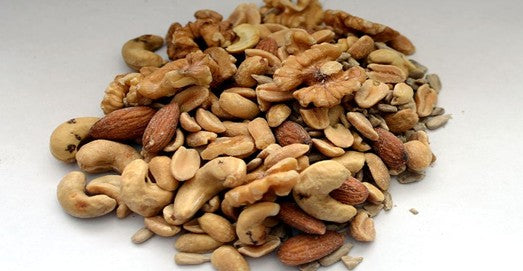
No single nut or seed is “the best.” Instead, their strength lies in variety. Combining them, whether in mixed nut blends, trail mixes, or rotating them in your meals, delivers maximum heart protection.
Heart-Smart Nut Eating
As heart-healthy as nuts are, balance and preparation matter. Nuts are calorie-dense, so portion size is key. Most research shows the sweet spot is about one ounce (a small handful) per day, roughly 12 almonds, 24 pistachios, 7 walnut halves, or 2 tablespoons of nut butter. Eating this amount daily has been associated with a 27% lower risk of heart disease, while only a weekly serving cuts risk by just 4%.
To get the most benefit, choose plain, unsalted, or dry-roasted nuts. Flavored or heavily salted varieties can undermine heart health by adding excess sugar or sodium. Seeds and nuts should also be stored properly; cool, dark environments or even the freezer will prevent delicate fats from going rancid.
If you are new to nut snacking, try buying pre-portioned packs or preparing small containers at home to avoid overeating. Moreover, for those with allergies to tree nuts or peanuts, seeds such as pumpkin, sunflower, or hemp are excellent alternatives, offering many of the same cardiovascular benefits.
Bottom line: enjoy nuts daily, in sensible portions, and vary your choices. This approach gives you the widest range of nutrients while keeping calories in check, an easy, practical step toward long-term heart health.
Culinary Enjoyment: Delicious Ways to Add Nuts and Seeds to Your Day
One of the best things about nuts and seeds is how easy they are to incorporate into everyday meals. Whether you enjoy them raw, roasted, or blended into nut butters, these nutrient-dense foods can elevate both taste and nutrition.
Start your morning by topping your oatmeal or yogurt with a handful of walnuts, almonds, or pumpkin seeds. A spoonful of peanut or almond butter mixed into oatmeal not only adds protein but also creates a creamy, satisfying texture.
At lunchtime, nuts and seeds can turn an ordinary salad into something extraordinary. Sprinkle pumpkin or sunflower seeds over greens for crunch, or toss almonds, cashews, pistachios, or pecans into grain bowls.
When afternoon cravings strike, nuts make for a quick and portable snack. Create a simple trail mix with almonds, walnuts, pumpkin seeds, and a handful of dried fruit.
In the evening, nuts and seeds can enhance warm dishes. Try adding cashews to a stir-fry, topping soups with toasted seeds, or folding ground flaxseeds into bread or muffin batter for a nutritional boost. Even desserts can benefit: a sprinkle of chopped pistachios or hazelnuts over fruit or yogurt parfaits adds color, flavor, and a nutrient punch.
The beauty of nuts and seeds is their versatility. With just a few handfuls a day, you can transform meals and snacks into heart-healthy, flavorful experiences that your body and your taste buds will savor.
The Takeaway
The evidence is clear: nuts are one of the most powerful foods you can add to your daily routine for heart health. Decades of research show that regular nut consumption can lower cholesterol, reduce inflammation, support healthy blood pressure, and decrease the risk of cardiovascular disease. Just three to four handfuls a week, or about an ounce a day, can make a measurable difference over time for cardiac health.
What makes nuts so remarkable is their combination of healthy fats, fiber, protein, antioxidants, vitamins and essential minerals. Together, these nutrients work in harmony to strengthen the cardiovascular system in ways that few other foods can match. And the best part? Nuts are shelf-stable, convenient, and endlessly versatile. From a handful of almonds on the go, to walnuts in your morning oatmeal, pistachios sprinkled on salad, or nut butters swirled into smoothies and baked goods, there are countless easy ways to incorporate them into your diet.
Of course, no single food is a miracle cure, and nuts will not instantly erase high cholesterol or replace medication. However, as part of a balanced, heart-smart eating pattern, they provide a natural, science-backed way to support your cardiovascular health.
So keep a container of mixed nuts in your pantry or desk drawer, grab a small handful each day, and enjoy knowing that you are snacking your way toward maintaining a healthier heart.
==================================================================
Resources Used for NWWF Blog #100: Heart-Smart Snacking: Make Nuts Part of
Your Daily Routine
https://www.mayoclinic.org/diseases-conditions/heart-disease/in-depth/nuts/art-20046635
https://www.healthline.com/nutrition/nuts-for-heart-health
https://www.medicinenet.com/is_it_ok_to_eat_nuts_every_day/article.htm
https://nutritionsource.hsph.harvard.edu/nuts-for-the-heart/
https://www.verywellhealth.com/heart-healthy-nuts-11797009
https://rollingout.com/2025/03/13/why-nuts-are-good-for-your-heart/
https://theheartdietitian.com/nuts-and-seeds/
https://www.goodrx.com/health-topic/heart/best-nuts-heart-health
https://www.nutsforlife.com.au/nuts-for-heart-health/
https://www.eatingwell.com/article/8027688/are-nuts-good-for-you/
https://www.fda.gov/food/nutrition-food-labeling-and-critical-foods/use-healthy-claim-food-labeling
https://inc.nutfruit.org/us-fda-updates-healthy-claim-definition-to-include-nuts/